
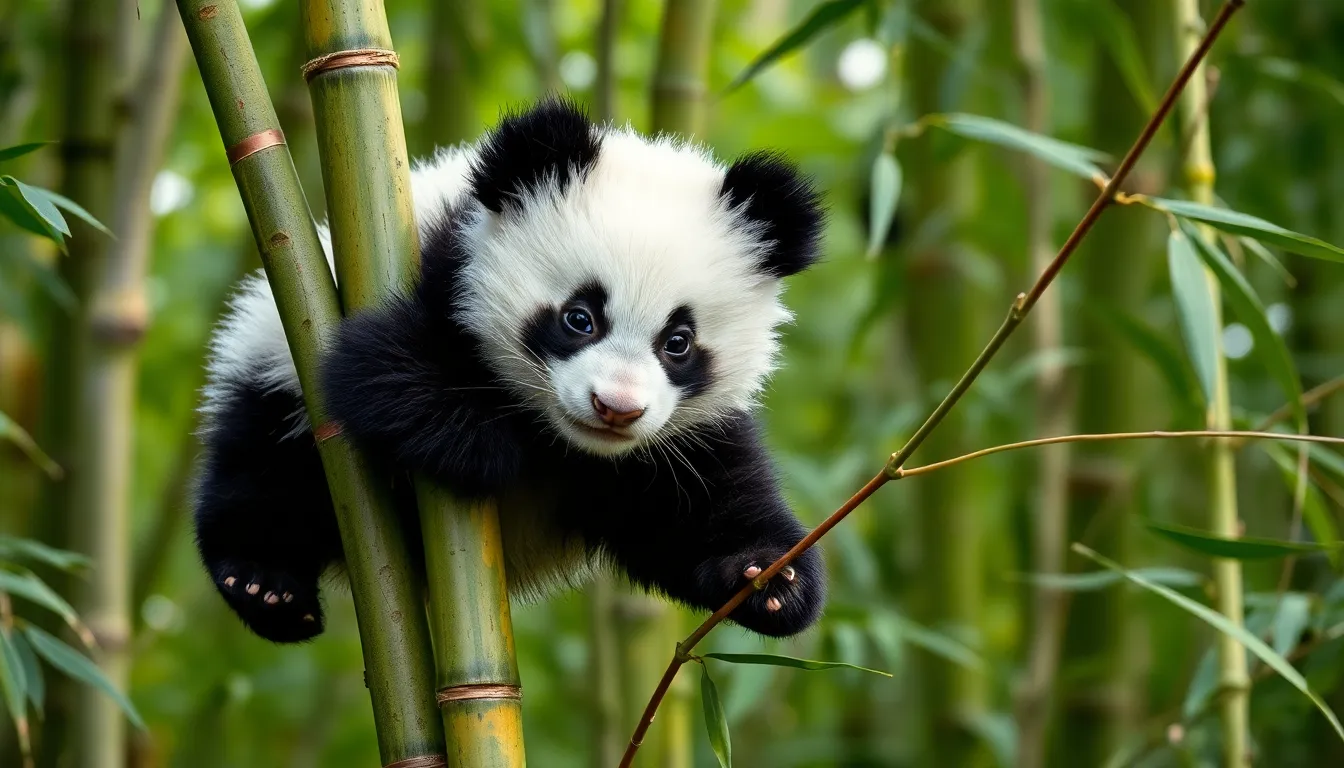

There’s something undeniably captivating about baby pandas that tugs at the heartstrings of animal lovers everywhere. With their fluffy fur and playful antics, these adorable creatures have become a symbol of cuteness in the animal kingdom. From their clumsy tumbles to their curious nature, baby pandas charm anyone who watches them.
As they grow and explore their surroundings, these tiny bears offer a glimpse into the wonders of wildlife. Their playful behavior not only entertains but also highlights the importance of conservation efforts to protect their habitats. Discover why baby pandas are not just cute but also vital to our ecosystem, and learn how their endearing qualities inspire people around the globe to take action for their preservation.
Overview of Baby Pandas
Baby pandas, known as cubs, are incredibly cute, typically weighing about 3 to 5 ounces at birth. Characterized by their distinctive black and white fur, these cubs develop rapidly during the first few months of life. Within the first year, they can grow to around 50 pounds, gaining strength and coordination.
Cubs start to open their eyes around 6 to 8 weeks old and begin to explore their surroundings shortly after. They show playful behavior, engaging in various activities like climbing, rolling, and wrestling with siblings. Their playful antics contribute to their endearing reputation and appeal.
Nutrition plays a critical role in the growth of baby pandas. Initially, cubs consume their mother’s nutrient-rich milk, which provides essential antibodies for developing strong immune systems. As they grow, their diet shifts toward bamboo, the primary food source for adult pandas.
Social interaction is vital for baby pandas, as they learn behaviors and survival skills from their mothers and siblings. This interaction fosters essential bonding and enhances their social skills, vital for their development in the wild.
Conservation efforts focus on the protection of baby pandas and their habitats. These initiatives play a crucial role in ensuring the survival of this beloved species in a rapidly changing environment.
Characteristics of Too Cute Cute Baby Pandas
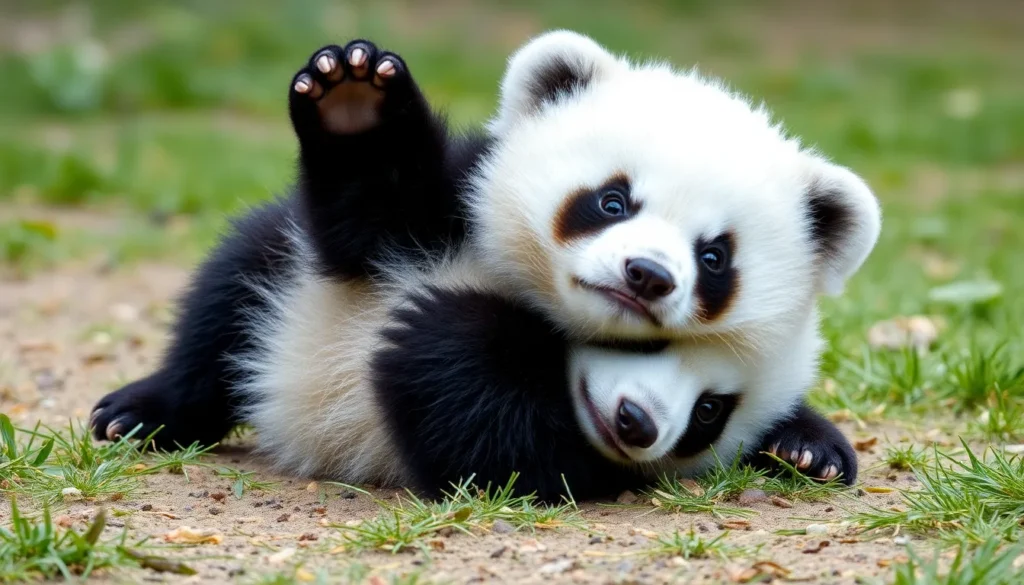
Baby pandas exhibit remarkable characteristics that enhance their charm. From their unique physical features to their delightful behavior, these cubs captivate hearts worldwide.
Physical Features
Baby pandas possess distinct physical features. They start life with a soft, fluffy coat that gradually develops into the iconic black and white fur as they mature. At birth, they typically weigh between 3 to 5 ounces, making them incredibly small and vulnerable. As they grow, cubs can reach around 50 pounds within their first year. Their round faces and large, expressive eyes further contribute to their cuteness, while their short legs and small paws enable clumsy, yet endearing movements.
Behavior and Personality
Baby pandas exhibit playful behavior, showcasing their lively personality. They engage in activities like climbing, wrestling, and rolling around, often displaying curiosity about their surroundings. Social interaction is essential; cubs learn vital skills from their mothers and siblings. These interactions help them develop confidence and adaptability. Generally, they display a playful, inquisitive nature, making them delightful to watch. Their innocent antics often bring joy to observers and enhance their reputation as one of the cutest animals on the planet.
Habitat and Conservation
Baby pandas thrive in specific habitats, primarily in the mountainous regions of central China. These areas provide the necessary conditions for their growth and survival.
Natural Habitat
Pandas inhabit temperate forests with dense bamboo thickets that offer food and shelter. These forests typically range between elevations of 5,000 to 11,000 feet, where cooler temperatures and abundant rainfall support bamboo growth. The availability of various bamboo species is vital, as bamboo constitutes about 99% of a panda’s diet. The natural habitat also includes accessible water sources, allowing pandas to stay hydrated and healthy.
Threats to Baby Pandas
Several significant threats impact baby pandas and their habitats. Habitat loss due to human encroachment and urban development shrinks their living spaces, causing fragmentation. Climate change alters bamboo growth patterns, further reducing food availability. Additionally, poaching poses a risk, despite protections in place for these animals. Conservation efforts, including habitat restoration and anti-poaching measures, play a crucial role, ensuring baby pandas can thrive in their natural environments.
Why Baby Pandas Are Adorable
Baby pandas capture the hearts of many with their irresistible charm and playful demeanor. Their unique traits and portrayal in various media contribute significantly to their status as one of the world’s most adored animals.
Unique Traits
Baby pandas possess several unique traits that enhance their appeal. Their round faces feature large, expressive eyes that convey a range of emotions, captivating viewers. Soft, fluffy coats add to their cuddle-worthy look, with their iconic black and white coloring developing as they mature. Clumsy movements, especially during play, evoke affection and laughter. Cubs also display playful behavior by climbing, wrestling with siblings, and exploring their environment, showcasing their inquisitive nature. These activities emphasize their innocence and curiosity, drawing in animal lovers who appreciate their antics.
Popularity in Media
Baby pandas enjoy widespread popularity in media, amplifying their cuteness. Documentaries and wildlife shows often feature cubs, highlighting their playful interactions and enchanting behavior. Social media platforms showcase countless videos and images, inviting engagement and sharing among fans. Merchandise, including plush toys and clothing adorned with panda imagery, further extends their reach. Such representation solidifies baby pandas as symbols of joy and love, contributing to conservation awareness and efforts to protect their habitats.
Baby pandas capture hearts with their irresistible charm and playful spirit. Their fluffy appearance and endearing antics not only symbolize cuteness but also highlight the importance of conservation. Protecting their habitats ensures these delightful creatures can thrive in the wild.
As they grow and explore their surroundings, baby pandas serve as reminders of the delicate balance within ecosystems. By raising awareness and supporting conservation efforts, everyone can play a part in securing a future for these adorable cubs. The joy they bring is a call to action, encouraging a collective effort to safeguard their existence for generations to come.