


Smartphone apps have transformed the way people interact with technology, making everyday tasks easier and more efficient. With millions of applications available, users can find solutions for everything from productivity to entertainment right at their fingertips. These digital tools not only enhance convenience but also foster creativity and connectivity in ways that were once unimaginable.
As smartphones continue to evolve, so do the apps that power them. Developers are constantly innovating, creating new features that cater to the diverse needs of users. This dynamic landscape makes it essential for individuals to stay informed about the latest trends and best practices in the app world. Whether someone is looking to streamline their daily routine or explore new hobbies, there’s an app ready to help them succeed.
Overview of Smartphone Apps
Smartphone apps play a vital role in modern life, offering diverse functionalities. Apps range from productivity tools to entertainment platforms, enabling users to tailor their digital experience.
Types of Smartphone Apps
- Productivity Apps
Productivity apps streamline tasks, enhancing efficiency. Examples include calendar apps, note-taking apps, and project management tools.
- Social Media Apps
Social media apps facilitate connectivity, allowing users to share experiences in real time. Major platforms include Facebook, Instagram, and Twitter.
- Gaming Apps
Gaming apps provide entertainment, catering to various interests and skill levels. Popular options feature puzzle games, adventure games, and multiplayer experiences.
- Utility Apps
Utility apps serve practical purposes, improving everyday tasks. Common utility apps include weather forecasting, navigation, and scanning apps.
App Development Trends
- Cross-Platform Compatibility
Cross-platform apps ensure accessibility across different operating systems, promoting user engagement.
- AI Integration
AI features in apps personalize user experiences, offering tailored recommendations based on behavior.
- Augmented Reality (AR)
AR apps enhance interaction by blending digital elements with the physical world, creating immersive experiences.
- Subscription Models
Subscription-based apps provide ongoing services, offering users additional features or content for a recurring fee.
App Store Statistics
| App Store | Total Apps | Revenue (2022 USD) |
|---|---|---|
| Apple App Store | 2.2 million | $85 billion |
| Google Play Store | 3.5 million | $50 billion |
Users access apps through app stores, with millions available worldwide. Awareness of app categories and trends empowers users to make informed choices and leverage apps for personal growth and efficiency.
Popular Categories of Smartphone Apps
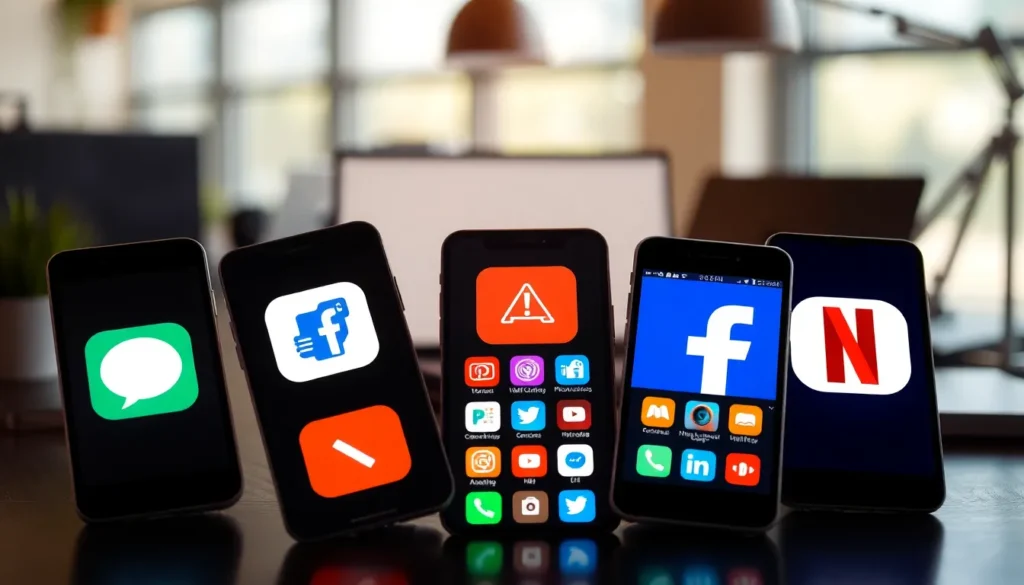
Smartphone apps fall into various categories, each serving distinct functions and purposes. These categories enhance productivity, communication, and entertainment, allowing users to maximize their smartphone experience.
Productivity Apps
Productivity apps enhance task management and streamline workflows. These applications include tools for note-taking, project management, and time tracking. Examples of popular productivity apps are:
- Trello: Facilitates project organization through boards and lists.
- Evernote: Provides a platform for note-taking and document organization.
- Slack: Enables team communication and collaboration in real-time.
Many productivity apps integrate with other tools and services, improving efficiency and ensuring seamless user experiences.
Social Media Apps
Social media apps allow users to connect, share, and communicate in real-time. These platforms cater to various interests and demographics. Examples of major social media apps include:
- Facebook: Covers a broad audience with diverse features including posts, groups, and events.
- Instagram: Focuses on photo and video sharing, utilizing visual content to engage users.
- Twitter: Upholds real-time updates, fostering discussions and interactions through short messages.
These apps play a crucial role in shaping online interactions and personal branding.
Entertainment Apps
Entertainment apps provide users with a wide range of leisure activities, including video streaming, gaming, and music. Examples of popular entertainment apps are:
- Netflix: Offers on-demand video content with a vast library of shows and movies.
- Spotify: Delivers music streaming services with personalized playlists and recommendations.
- Candy Crush: Engages users in casual gaming experiences with simple yet addictive gameplay.
Entertainment apps offer users opportunities to unwind and enjoy their favorite content anytime, anywhere.
The Impact of Smartphone Apps
Smartphone apps significantly transform daily life and business operations. Their influence shapes convenience, productivity, and connectivity across multiple aspects of everyday activities and professional environments.
On Daily Life
Smartphone apps facilitate numerous daily tasks. Users rely on productivity apps to organize schedules and manage responsibilities. Social media apps connect individuals globally, fostering communication and relationships. Entertainment apps provide relaxation options, enabling users to unwind with streaming services or games. Utility apps enhance overall convenience, simplifying various processes like navigation, shopping, and health tracking. These applications collectively boost personal efficiency and enrich daily experiences.
On Businesses
Businesses increasingly depend on smartphone apps for operational efficiency and customer engagement. Companies utilize productivity apps to streamline project management and enhance team collaboration. Customer-focused apps create direct communication channels, allowing brands to reach target audiences effectively. Mobile commerce apps simplify purchasing processes, fostering a seamless shopping experience. Data-driven insights from app usage inform strategic decisions, enhancing marketing efforts and consumer understanding. As businesses adapt to evolving technology, smartphone apps become essential tools for growth and innovation.
Future Trends in Smartphone Apps
The future of smartphone apps shows significant potential driven by emerging technologies and innovations in user experience. These advancements aim to enhance functionality, engagement, and accessibility for users.
Emerging Technologies
Emerging technologies play a crucial role in shaping the smartphone app landscape. Key trends include:
- Artificial Intelligence (AI): AI enhances functionality by enabling apps to learn user preferences, providing personalized recommendations and improving overall user engagement.
- Augmented Reality (AR): AR integrates digital elements into the real world, offering immersive experiences in gaming, education, and retail. Apps like IKEA Place allow users to visualize furniture in their own homes.
- 5G Connectivity: The rollout of 5G technology greatly improves app performance, facilitating faster data transfers and more complex applications, particularly in gaming and streaming.
- Internet of Things (IoT): IoT integration allows apps to manage connected devices, enhancing automation and efficiency in smart homes and workplaces. Apps like Google Home control various IoT devices seamlessly.
- Blockchain: Blockchain provides enhanced security and transparency, particularly in finance-related apps, ensuring secure transactions and data integrity.
User Experience Innovations
User experience innovations focus on making apps more accessible, intuitive, and enjoyable. Notable trends include:
- Voice User Interface (VUI): VUI allows users to interact through voice commands, simplifying navigation and enhancing accessibility, especially for visually impaired individuals.
- Gesture-Based Navigation: Gesture controls improve user interaction by enabling simple swipes and taps, reducing reliance on traditional buttons and enhancing app fluidity.
- Dark Mode: Dark mode features reduce eye strain and save battery life, catering to user preferences for screen appearance and comfort during use.
- Personalization: Customizable interfaces allow users to tailor their app experience, from themes to content preferences, promoting user satisfaction and retention.
- Progressive Web Apps (PWAs): PWAs combine the best of web and mobile apps, offering fast loading times and offline capabilities. This approach significantly enhances user engagement relative to traditional applications.
These future trends in smartphone apps promise to elevate user experience while pushing the boundaries of technology integration in daily life and business activities.
Smartphone apps have become indispensable tools that shape everyday experiences and business dynamics. Their diverse functionalities cater to various needs from productivity to entertainment enhancing both personal and professional lives. As technology continues to advance the landscape of mobile applications, staying informed about the latest trends is crucial for maximizing benefits.
The future promises even more exciting innovations with AI integration augmented reality and improved connectivity. Embracing these changes will not only enhance user experiences but also drive efficiency in business operations. By leveraging the power of smartphone apps individuals and organizations can unlock new levels of creativity and productivity.