
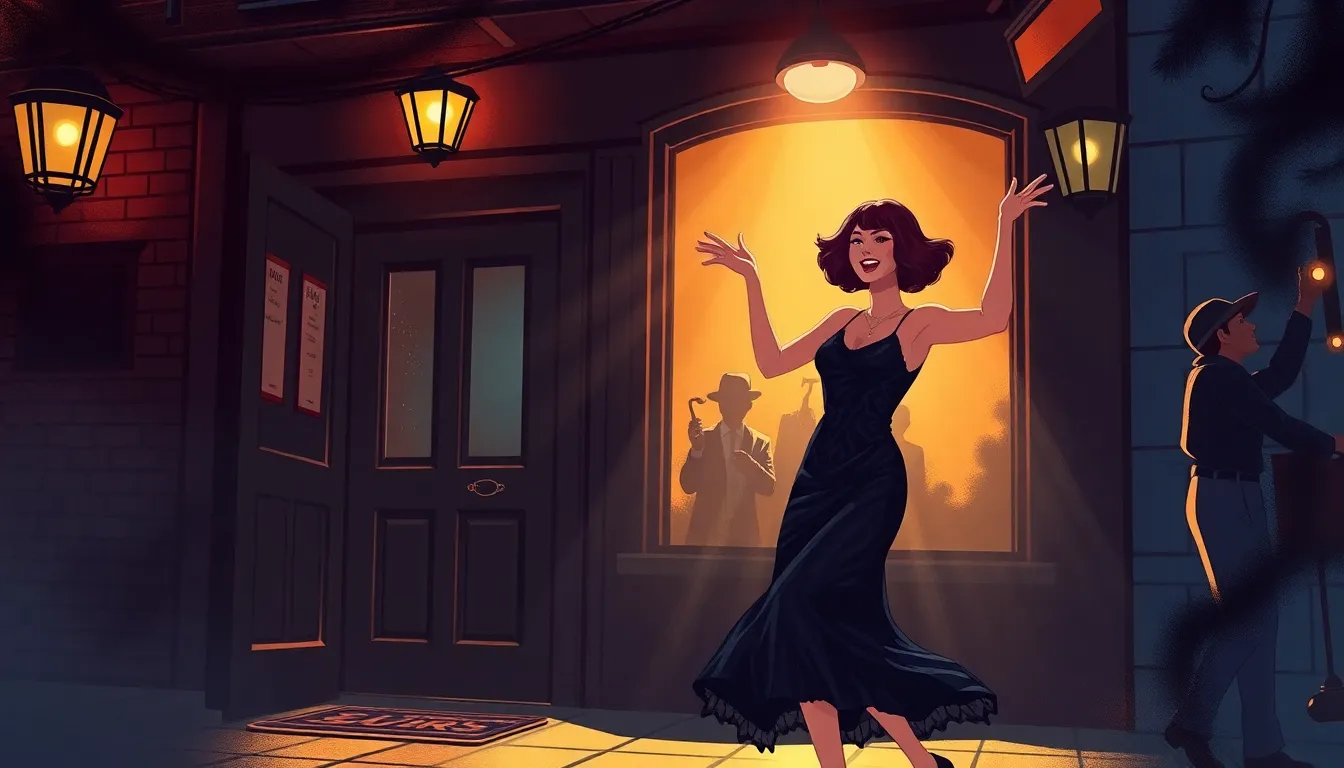

In the roaring twenties, when flappers danced and jazz filled the air, a quirky battle brewed beneath the surface: the fight against alcohol. Enter the prohibition political cartoon, a clever blend of humor and social commentary that poked fun at the absurdities of banning booze. These cartoons didn’t just entertain; they captured the spirit of a nation grappling with change, often using laughter to illustrate the chaos and contradictions of the era.
With a sharp pen and a keen eye for irony, cartoonists became the unsung heroes of this tumultuous time. They highlighted the ridiculousness of speakeasies and the rise of bootleggers, reminding everyone that sometimes, the best way to tackle a serious issue is to laugh about it. Join us as we dive into the vibrant world of prohibition political cartoons, where wit meets wisdom in a cocktail of creativity.
Understanding Prohibition Political Cartoons
Prohibition political cartoons played a crucial role in shaping social attitudes during the 1920s. These artworks combined humor and commentary to highlight the absurdities of alcohol prohibition.
Definition and Significance
Prohibition political cartoons are artistic expressions that depict the societal impacts of the 18th Amendment. With biting satire, these cartoons often criticized government policies and illuminated the contradictions of banning alcohol. They engaged audiences by encouraging critical thought while providing entertainment. Moreover, cartoonists became key figures in promoting dialogues about morality, law enforcement, and the culture surrounding alcohol consumption. By using humor and irony, these cartoons offered insight into the public’s sentiments regarding a contentious era in American history.
Historical Context
The 1920s marked a dramatic shift in American society, characterized by the implementation of Prohibition in 1920. The 18th Amendment and the Volstead Act enforced legal restrictions on alcohol, aiming to reduce crime and improve public morals. Instead, the nation faced unforeseen challenges such as the rise of illegal speakeasies and bootlegging operations. Cartoonists explored these events, presenting their perspectives to the public through engaging visual narratives. The cultural clash between traditional values and modern lifestyles also fueled this creative output, shaping a unique commentary on the complexities of Prohibition.
Analyzing Iconic Prohibition Political Cartoons
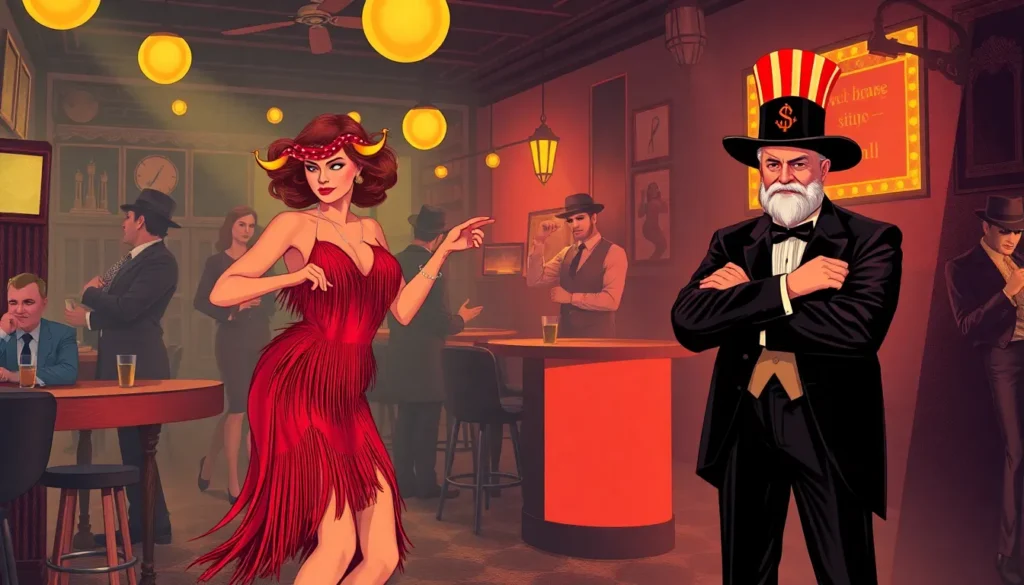
Prohibition political cartoons from the 1920s present a vivid depiction of societal attitudes regarding alcohol bans. These visuals reflect the culture clash during this era.
Famous Examples
One iconic cartoon features a flapper dancing beside a speakeasy, cleverly highlighting the underground nature of alcohol consumption. Another notable illustration shows a frustrated Uncle Sam confronting a bootlegger, symbolizing government ineffectiveness in controlling illegal activities. The famous “The Noble Experiment” cartoon critiques the failed Prohibition while featuring exaggerated scenarios that emphasize the chaos surrounding the decade. Each example showcases the creativity of cartoonists who captured the essence of the times.
Key Themes and Messages
Censorship emerges as a central theme in many political cartoons, presenting the struggle against government-imposed restrictions. Satires often depict the absurdity of Prohibition laws, emphasizing public defiance against the futile attempts to restrict personal freedoms. Corruption plays a significant role in the illustrations, showcasing how law enforcement faced challenges when combating organized crime. The cartoons encourage dialogue about morality and the complexities of governance, illustrating conflicting views of morality and freedom in a rapidly changing society.
The Impact of Prohibition Political Cartoons
Prohibition political cartoons played a significant role in shaping public perceptions during the 1920s. These satirical illustrations offered commentary on the social landscape of the era.
Cultural Influence
Cultural sentiments surrounding Prohibition found expression through cartoons. Humor conveyed the struggles of everyday life, reflecting the experiences of those navigating a world where alcohol was banned. Jazz culture, embodied by flappers, often served as a focal point, portraying the clash between traditional values and modern lifestyles. Artists captured the essence of speakeasies, suggesting that despite legal restrictions, people continued to seek enjoyment. These cartoons cemented their place in popular culture, linking art with societal shifts. As a result, they encouraged audiences to engage with the complexities of the time through relatable imagery.
Political Commentary
Political commentary emerged strongly through these cartoons. Cartoonists criticized government policies, illustrating the absurdities of enforcing Prohibition. By depicting politicians and law enforcement in humorous yet poignant scenarios, they highlighted contradictions within the 18th Amendment. Imagery of corruption and inefficacy resonated, prompting discussions about morality and societal values. Audiences recognized the impact of organized crime as satirical portrayals often exaggerated the ineptitude of authorities. This artistic expression provided an avenue for public discourse, allowing individuals to question the effectiveness of government regulations while addressing pressing moral concerns.
Contemporary Relevance
Political cartoons from the Prohibition era continue to resonate today, offering valuable insights into contemporary societal issues surrounding governance and personal freedoms. Their humor and satire enable discussions about authority and regulation.
Lessons from the Past
Cartoons from the 1920s highlighted the absurdities of Prohibition, emphasizing the gap between policy and public behavior. Observations about government overreach remain relevant, prompting reflection on the effectiveness of current regulations. Satirical portrayals of law enforcement and organized crime continue to inspire dialogues about the war on drugs and its implications. Artists captured the tension between traditional values and evolving lifestyles, encouraging critical analysis of laws shaped by moral perspectives.
Modern Interpretations
Contemporary artists draw inspiration from Prohibition political cartoons to critique current social challenges. They employ similar satirical techniques to explore themes of censorship, authority, and personal freedom. Modern political cartoons often tackle issues like gun control and drug legalization, paralleling the moral conflicts seen during Prohibition. By referencing historical cartoons, today’s artists engage audiences in conversations around governance and societal norms, emphasizing the need for continuous evaluation of laws and their impact on individual rights.
Prohibition political cartoons serve as a powerful reminder of the complexities faced during the 1920s. They not only entertained but also provoked critical conversations about governance and societal norms. By using humor and satire, these cartoons captured the essence of a tumultuous era marked by cultural clashes and governmental contradictions.
The legacy of these illustrations continues to resonate today. Modern artists draw from this rich history to address current issues, demonstrating that the struggle between authority and personal freedom remains relevant. Through the lens of past challenges, audiences can engage with contemporary debates, ensuring that the lessons of Prohibition live on in public discourse.