


When it comes to migration, people often think of sunny beaches and job opportunities, but what about the not-so-glamorous side? Political push factors are the unsung heroes driving people away from their homes. From oppressive regimes to civil unrest, these issues can turn a cozy neighborhood into a pressure cooker faster than you can say “political asylum.”
Understanding these factors isn’t just for political science majors; it’s crucial for anyone who wants to grasp the complexities of global movement. After all, when your government starts acting like a bad sitcom, it’s no wonder folks are looking for the exit. So, buckle up as we dive into the world of political push factors and discover what really makes people pack their bags and head for greener pastures.
Understanding Political Push Factors
Political push factors significantly influence migration patterns across the globe. Authoritarian governments contribute to instability and fear, causing citizens to seek refuge elsewhere. Human rights violations by regimes provoke individuals to flee oppressive conditions. Civil unrest leads to social and economic insecurity, making relocation a necessity for many.
Widespread corruption can erode trust in institutions, prompting people to abandon their homeland. Limited political freedoms limit opportunities for civic engagement and expression, driving individuals to seek more democratic environments. Ongoing conflicts, such as wars or political strife, create dire circumstances that propel populations into surrounding countries or continents.
Economic challenges often interlink with political issues. For instance, failing economies exacerbate societal tensions, further encouraging emigration. Instability in essential services amplifies this trend, as citizens look for stability and safety elsewhere.
Political push factors encompass a variety of influences, including these examples. Governments must acknowledge the significance of these elements to address the root causes behind migration effectively. Understanding the complexities related to political dynamics helps policymakers create informed responses that can mitigate migration pressures.
Analyzing the interplay between political factors and migration provides valuable insights into global patterns. Migration driven by these circumstances reflects broader issues of governance and human rights that require attention on an international scale.
Common Political Push Factors
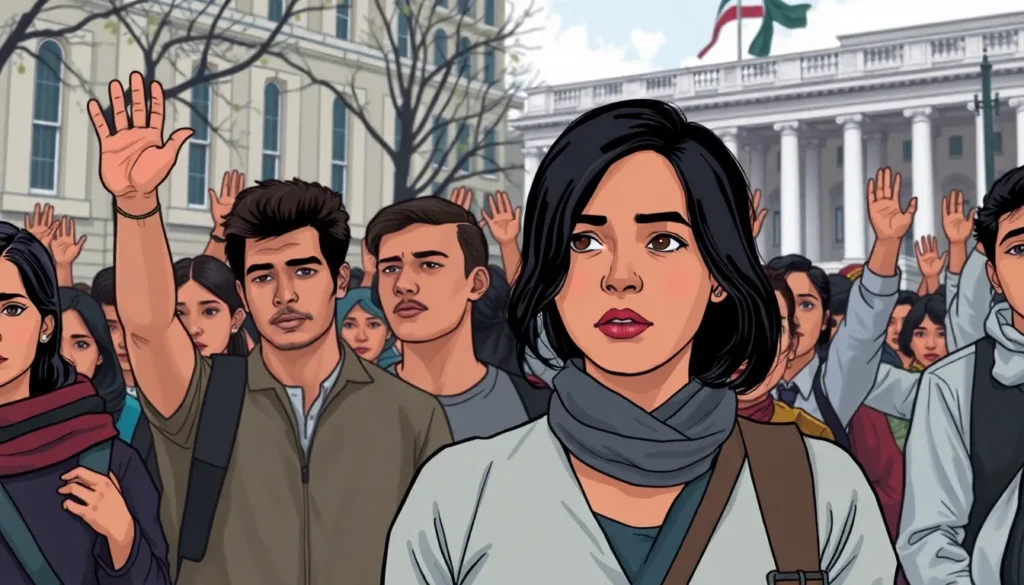
Political push factors significantly influence migration patterns. Individuals often flee their countries due to unfavorable political conditions.
Government Oppression
Government oppression creates an environment of fear and control. Citizens under authoritarian regimes experience severe restrictions on freedom of speech, assembly, and the press. Repressive policies often lead to widespread persecution of dissenters, which compels individuals to escape. Those facing harassment or imprisonment based on their beliefs seek refuge in nations that respect human rights. When governments silence opposition, it leaves many with no choice but to migrate for safety and security.
Corruption and Mismanagement
Corruption and mismanagement within governments erode public trust and exacerbate social inequalities. Fraudulent practices often divert resources from essential services like healthcare and education. Citizens suffer from a lack of transparency and accountability, leading to widespread disillusionment. Economic opportunities diminish under corrupt regimes, pushing individuals to seek better living conditions abroad. Mistrust in institutions further encourages migration as individuals hope for more equitable systems elsewhere.
Political Instability
Political instability emerges from ongoing conflicts and unpredictable governmental changes. Many regions experience violence, civil wars, or coups that disrupt daily life and economic stability. Instability leads to security threats, impacting citizens’ safety and livelihoods. In such environments, families often look to relocate to safer, more stable countries. The uncertainty of political scenarios drives many individuals to make the difficult decision to leave their homes for the sake of their future and well-being.
Economic Consequences of Political Push Factors
Political push factors create significant economic consequences that affect both migrants and their home countries. Understanding these impacts is essential in addressing the overarching issues linked to migration.
Reduced Opportunities
Reduced opportunities often plague individuals living under oppressive regimes. Individuals face job scarcity due to government restrictions on entrepreneurship and economic participation. Additionally, lack of access to quality education and vocational training hinders personal development. Stagnant job markets fail to provide adequate salary growth, prompting citizens to seek employment elsewhere. Families left behind struggle with economic uncertainty as skilled workers migrate, leading to a brain drain that weakens local economies. The interplay of these factors illustrates how political climates significantly restrict economic prospects.
Increased Poverty
Increased poverty emerges as a direct outcome of political instability and oppression. Economic mismanagement and corruption exacerbate inequality, pushing vulnerable populations into dire conditions. Individuals who lose their jobs or face wage cuts due to governmental unrest find themselves unable to meet basic needs. Social services often crumble under political pressures, leaving communities without essential support. The resulting poverty levels force many to leave their homes in search of better living standards abroad. Without addressing the underlying political issues, poverty rates in affected regions continue to rise, highlighting the urgent need for change.
Social Impacts of Political Push Factors
Political push factors create significant social impacts that influence migration patterns and community dynamics. Oppressive regimes and civil unrest often lead to widespread displacement, changing demographics across regions.
Migration Trends
Migration trends reflect the direct consequences of political push factors, with individuals fleeing violence and repression. An increase in asylum applications in destination countries highlights this urgent need for safety. For instance, between 2010 and 2020, Syria witnessed over 6 million refugees attempting to escape the ongoing civil war. Many migrants seek refuge in nations that promote human rights and economic stability. As a result, countries receiving these individuals often experience shifts in population dynamics and cultural diversity. These migration patterns underscore the necessity for policymakers to understand the driving forces behind global movements.
Community Disruption
Community disruption arises as political circumstances force individuals to migrate, altering the fabric of neighborhoods. Families often leave behind established support networks, leading to emotional and psychological challenges. For example, when civil unrest drives people from their homes, the loss of community ties can create feelings of isolation among those who arrive in new locations. Schools and local economies may struggle to adapt to the influx of newcomers, resulting in increased tension between migrants and residents. Additionally, unique cultural identities face the risk of fading as communities shift. Addressing these disruptions requires a collaborative effort from stakeholders to foster inclusive environments that benefit all.
Political push factors play a crucial role in shaping migration patterns worldwide. They highlight the desperate circumstances individuals face under oppressive regimes and civil unrest. By understanding these dynamics, it becomes clear that addressing the root causes of migration is essential for fostering stability and improving human rights.
The interplay of government oppression, corruption, and instability creates environments that force people to seek safer and more prosperous lives elsewhere. Recognizing the implications of these factors not only informs policy decisions but also encourages collaborative efforts to support affected communities.
Ultimately, acknowledging the complexities of political push factors is vital for creating informed responses that can mitigate the challenges of migration and enhance global cooperation.