

Political changes can feel like a rollercoaster ride—thrilling, unpredictable, and sometimes leaving a few folks feeling a bit queasy. With shifts in leadership, policy reforms, and social movements, the landscape of politics is constantly evolving. Whether it’s a surprise election outcome or a groundbreaking legislation, these changes shape the world we live in and impact our daily lives.
But don’t worry, this isn’t a dry history lesson. It’s a chance to dive into the fascinating world of political shifts that keep us on our toes. From the rise of new leaders to the fall of old regimes, understanding these changes is key to navigating the future. Buckle up and get ready to explore the twists and turns of political transformations that could make even the staunchest cynic crack a smile.
Overview of Political Changes
Political changes occur through various channels. Shifts in leadership frequently spark new policies and societal directions. Elections mark pivotal moments, often ushering in figures who prioritize distinct agendas. Social movements play an integral role as citizens mobilize for reform, shaping legislation and public sentiment.
Changes in global dynamics influence domestic policies. Trade agreements, international relations, and conflicts impact national priorities. These factors illustrate how interconnected the political landscape is, demonstrating that local issues often stem from global events.
Policy reforms arise from pressure and public demand. Economic crises typically highlight the need for swift action, prompting governments to adjust their strategies. Legislative changes, such as healthcare reform or climate action, respond directly to societal needs and scientific findings.
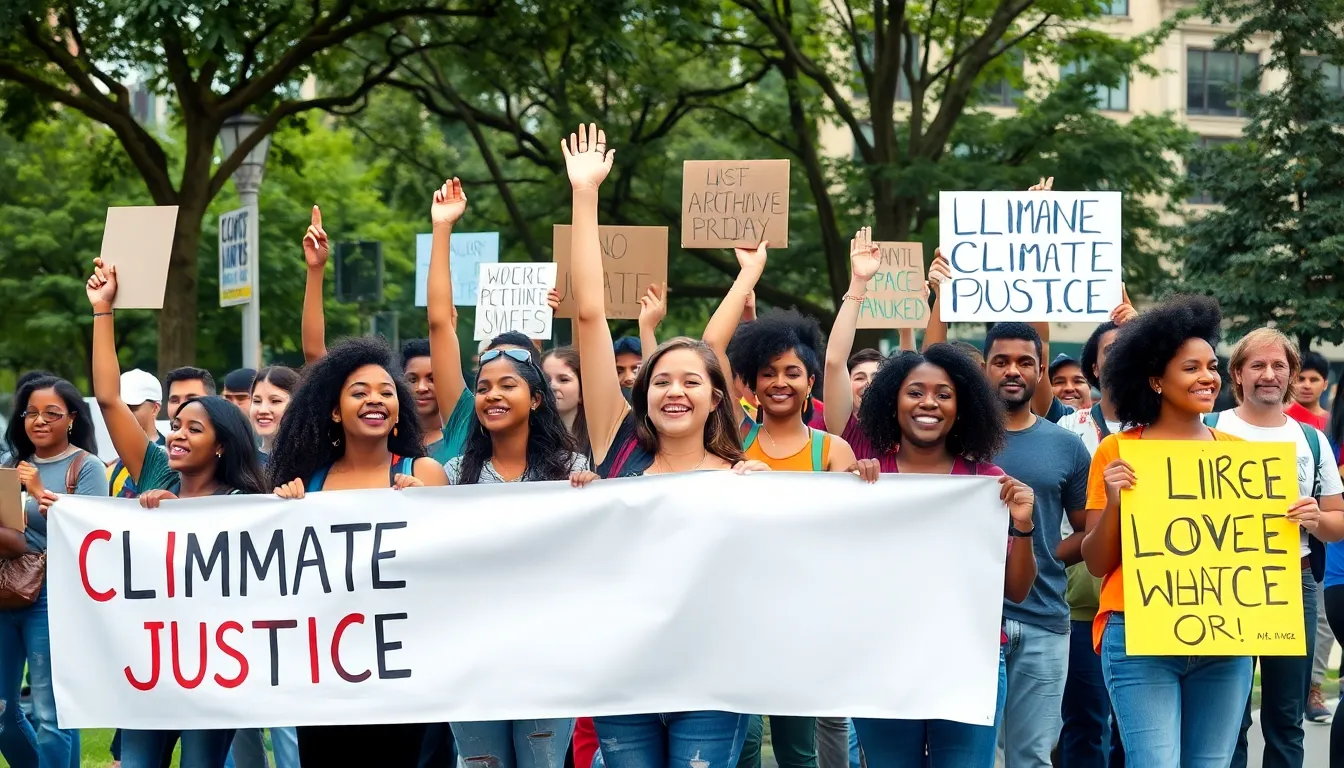
Voter engagement signifies a shift in the political paradigm. Increased participation in elections reflects a populace eager to influence decision-making. Trends show young voters are particularly active, advocating for climate justice and social equity.
Technological advancements also drive political changes. Social media platforms enable rapid dissemination of information, impacting public opinion. Online campaigns shape narratives that compel leaders to react swiftly.
Consequently, the future of political landscapes remains unpredictable. Observing patterns in recent developments aids in understanding potential transformations. Being informed positions individuals to navigate the complexities of evolving political environments effectively.
Historical Context

Understanding historical context is essential to grasp the complexities of political changes. Numerous events and influential figures played critical roles in shaping today’s political landscape.
Key Events Shaping Political Changes
Major events often precipitate significant political changes. The 2008 financial crisis sparked widespread demand for economic reform, which reshaped policy agendas. The Arab Spring initiated a wave of social movements across the Middle East, leading to rapid regime changes and new political landscapes. Additionally, landmark elections, such as Barack Obama’s 2008 victory, demonstrated the impact of voter participation and public sentiment. Such instances highlight how pivotal moments create ripples that influence subsequent political developments.
Influential Figures in Politics
Various figures drive political changes through leadership and advocacy. Nelson Mandela’s fight against apartheid transformed South African politics, inspiring movements worldwide. Ruth Bader Ginsburg’s contributions to gender equality shifted legal landscapes in the United States. Climate activists like Greta Thunberg galvanize younger generations to advocate for environmental policies. Each individual’s actions resonate beyond their immediate context, influencing legislation and public opinion. Engaging with these influential figures fosters a deeper understanding of the dynamics at play in political evolution.
Current Political Changes
Political changes today manifest through various evolving dynamics that reshape governance and society.
Domestic Impacts
Economic challenges often spur changes in domestic policy. Citizens demand reforms that address unemployment and healthcare, resulting in new legislation. Voter mobilization, especially among young demographics, has increased participation in local elections. Advocacy for climate justice and social equity influences political discourse significantly. Efforts by grassroots movements amplify voices that push for legislative action, reflecting public sentiment. Organizations such as Black Lives Matter and climate action groups advocate for crucial reforms. Elected officials respond by prioritizing policies that align with community needs.
Global Influences
International events continue to shape political landscapes domestically. Trade agreements affect economic strategies and diplomatic relations. Climate change discussions at global summits urge countries to adopt sustainable policies. Conflicts abroad can cause shifts in foreign policy, prompting governments to reconsider alliances. The response to the COVID-19 pandemic highlighted global interdependence, emphasizing collaboration on health and security. Technological advancements allow for rapid information exchange, influencing public opinion across borders. Decisions made globally can create ripple effects, impacting local governance and policies.
The Role of Technology
Technology significantly influences political changes by facilitating communication and mobilization. Social media platforms allow for rapid information dissemination, enabling citizens to engage with political issues in real time. Citizen-driven content spreads awareness, rallying support for movements like Black Lives Matter and climate action initiatives.
Active digital engagement shapes public opinion, with hashtags often trending globally to amplify voices advocating for reform. Mobile applications and online campaigns also channel grassroots activism, connecting individuals who share common goals. Campaigns often utilize targeted advertisements to reach specific demographics, enhancing voter engagement and participation.
Data analytics plays a vital role in understanding voter behavior, with campaigns analyzing patterns to tailor their messages. Organizations leverage technology to gather insights, refine strategies, and respond to dynamic political environments. The collection of big data provides critical feedback, helping leaders adjust policies based on public sentiment.
Emerging technologies like artificial intelligence enhance communication strategies, enabling automated responses and personalized interactions. Virtual town halls create spaces for direct dialogue between elected officials and constituents, fostering transparency and engagement. Furthermore, online voting systems in some regions streamline electoral processes, increasing accessibility and participation.
Technological advancements also pose challenges, with misinformation campaigns threatening democratic processes. Combating fake news becomes necessary to maintain informed electorates, ensuring that accurate information prevails. Cybersecurity concerns arise as electoral systems adapt to digital landscapes, highlighting the need for enhanced security measures.
Ultimately, technology remains a driving force behind political changes, influencing how citizens interact with governance and each other. Political engagement transforms as technology evolves, reflecting the ongoing relationship between society and its tools.
Future Outlook on Political Changes
Political changes will likely continue to evolve in response to societal demands and global events. Increased voter engagement among younger demographics signifies a shift in political priorities, with a strong focus on climate justice and social equity. Diverse grassroots movements actively shape legislative agendas, reflecting public sentiment for community-aligned policies.
Technological advancements, particularly social media, play a pivotal role in driving future political changes. Platforms encourage real-time discussions about pressing issues, with citizen-driven content garnering attention and support. Data analytics enhance campaign strategies, allowing for tailored messaging that resonates with voters.
Economic pressures, such as unemployment and healthcare access, directly impact domestic policy reforms. Citizens often mobilize around these critical issues, demanding swift and effective government action. Global dynamics further complicate these interactions, with trade agreements and international relations influencing local political landscapes.
Collaboration remains essential amid challenges posed by technology, like misinformation and cybersecurity threats. Understanding these factors becomes crucial for navigating the complexities of political change. As the landscape transforms, the interplay between technology and public opinion will significantly shape future governance. Emerging technologies, including artificial intelligence, may refine communication strategies and enhance political engagement.
Ultimately, the interconnectedness of local and global issues will drive ongoing political changes. Proactive citizens and informed voters will shape a more accountable and responsive political environment. With active participation and continuous monitoring, the future of political change promises to reflect the evolving needs and priorities of society.
Political changes are an ever-evolving force that shapes society and governance. The interplay between grassroots movements and technological advancements is crucial in driving reform and mobilizing public opinion. As citizens demand accountability and responsiveness from their leaders, the landscape of politics will continue to shift.
Challenges like misinformation and cybersecurity threats must be addressed to ensure a healthy democratic process. The active participation of informed voters, especially from younger demographics, signals a transformative period ahead. With pressing issues like climate justice and economic reform at the forefront, the future of political change will rely on collaboration and engagement from all sectors of society.