
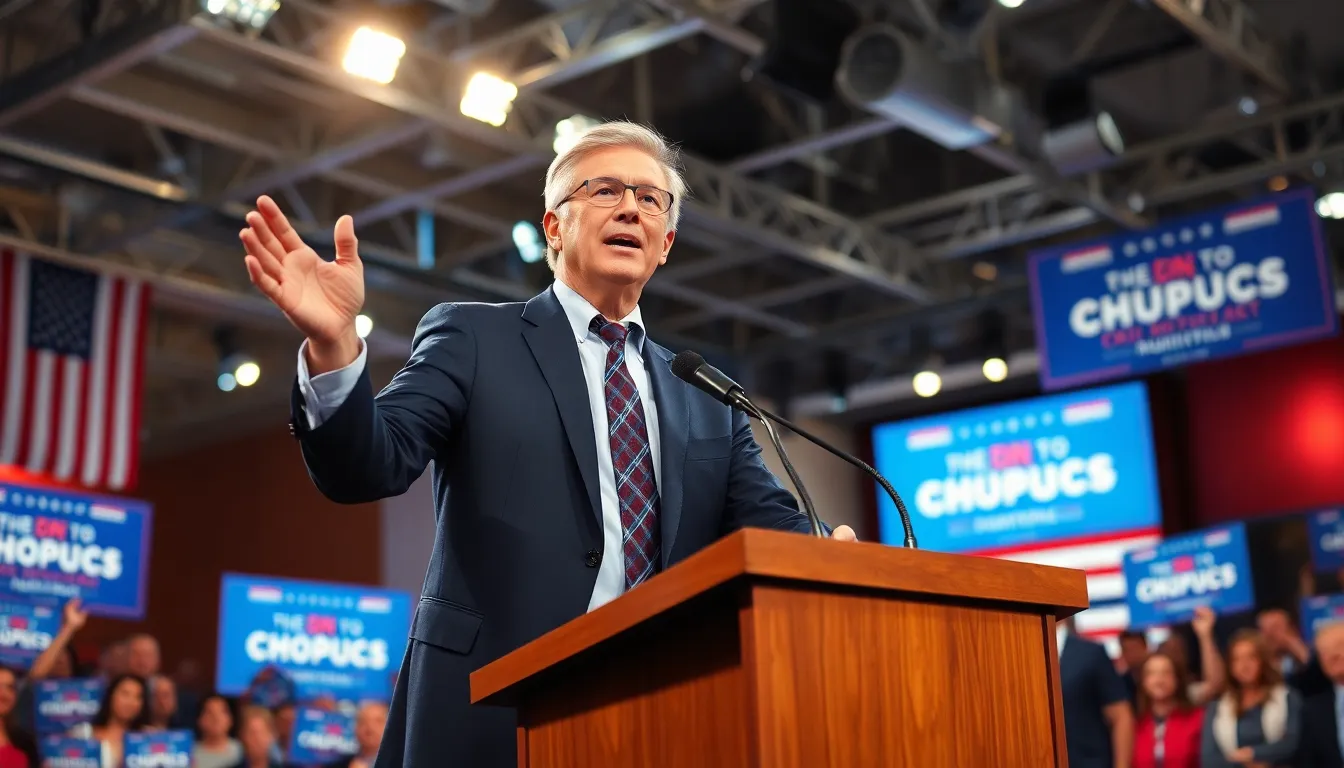

In today’s fast-paced digital landscape, political broadcasts play a crucial role in shaping public opinion. They serve as a powerful tool for candidates and parties to communicate their messages directly to voters. With the rise of social media and streaming platforms, the way political content is delivered has transformed, making it more accessible than ever.
These broadcasts not only inform citizens about policies and candidates but also engage them in critical discussions about the future of their communities and country. As political messaging becomes increasingly sophisticated, understanding the impact of these broadcasts is essential for anyone looking to navigate the complex world of politics. From debates to campaign ads, the influence of political broadcasts cannot be underestimated in the quest for voter engagement and awareness.
Overview of Political Broadcast
Political broadcasts play a pivotal role in shaping public discourse and influencing voter behavior. These broadcasts encompass various formats, including television, radio, and online platforms, facilitating direct communication between candidates or parties and their audience. With the advent of social media and digital streaming services, the reach and immediacy of political messaging have expanded significantly.
Political broadcasts primarily inform voters about candidates, their policies, and campaign promises. They provide essential information that aids citizens in making informed decisions during elections. For instance, campaign advertisements outline key issues, contrasting views, and visions for the future, allowing voters to assess their alignment with candidates.
In addition to informing, political broadcasts stimulate dialogue on pressing community and national matters. They encourage critical discussions among voters, prompting them to engage with issues that affect their lives. This engagement fosters a more informed electorate and promotes active participation in the democratic process.
The impact of political broadcasts has evolved with technology. As practices shift toward digital realms, understanding the nuances of these platforms becomes crucial. The growing reliance on data analytics for targeting specific voter demographics enhances the effectiveness of campaigns. These developments highlight the necessity for voters to remain vigilant about the intent and messaging of political broadcasts, ensuring a well-rounded approach to civic engagement.
Types of Political Broadcast

Political broadcasts come in various forms, each serving distinct purposes in political communication. Understanding these types is crucial for assessing their impact on public perception and voter engagement.
Paid Advertisements
Paid advertisements represent a significant component of political broadcasts. Candidates and parties invest funds to promote their messages through targeted ads on television, radio, and digital platforms. These advertisements allow for strategic messaging aimed at specific demographics. Many advertisements utilize emotional appeals or issues relevant to voters. Per the Federal Election Commission, in the 2020 election cycle, candidates spent over $7 billion on political advertising, demonstrating its critical role in campaign strategies.
News Coverage
News coverage functions as another vital type of political broadcast. Journalistic outlets provide information on candidates, policies, and election developments, helping to inform the public. Coverage often includes interviews, debates, and analyses of political events. Journalists play a key role in shaping narratives around candidates and issues. According to Pew Research Center, 60% of Americans rely on news organizations for political information during elections. News coverage can also hold candidates accountable by critiquing their positions and actions, fostering transparency in the electoral process.
Impact of Political Broadcast
Political broadcasts significantly affect how individuals perceive candidates and issues. These broadcasts shape voter attitudes and influence electoral outcomes through various formats and strategies.
Voter Perception
Voter perception is deeply influenced by the content and delivery of political broadcasts. Candidates use targeted messaging to appeal to specific demographics, thereby shaping public opinion. Research shows that 95% of voters recall political advertisements, highlighting their impact on consciousness surrounding candidates’ policies and platforms. Additionally, emotional appeals in broadcasts often forge personal connections, swaying undecided voters. Candidates who convey authenticity and relatability through their messages typically enhance their chances of gaining voter trust. Consistent exposure to political broadcasts also reinforces existing beliefs, contributing to the polarization of opinions among the electorate.
Media Influence
Media plays a crucial role in amplifying the effects of political broadcasts. Broadcasts across television, radio, and online platforms serve as primary information sources for individuals. Journalistic coverage of political events shapes narratives and contributes to a collective understanding of candidates and their policies. A study indicates that about 60% of Americans turn to news outlets for political insights, underscoring the media’s authority in shaping voter perceptions. Moreover, social media algorithms further influence which political content users receive, often prioritizing engaging material over factual accuracy. This dynamic can distort public understanding, making it essential for voters to critically evaluate the information consumed through political broadcasts and media platforms.
Regulations Surrounding Political Broadcast
Political broadcasts operate under a framework of regulations designed to ensure transparency and fairness in electoral communications. These regulations address various aspects of political advertising and media ethics.
Federal Laws
Federal laws play a significant role in governing political broadcasts in the United States. The Federal Election Commission (FEC) oversees the enforcement of these regulations, ensuring compliance during election cycles. Key regulations include:
- Disclosure Requirements: All political advertisements must prominently disclose funding sources, identifying who paid for the ad. This transparency informs voters about potential biases or motivations.
- Contribution Limits: The FEC sets limits on contributions to candidates and parties, preventing excessive influence from wealthy donors. For 2023, individuals can contribute a maximum of $3,300 per candidate per election.
- Equal Time Rule: Broadcast stations must offer equal airtime to all candidates running for the same office, providing a level playing field. This rule applies to all candidates and prevents favoritism in media coverage.
- Coordination Restrictions: Candidates and outside groups cannot coordinate on campaign strategies, maintaining the integrity of independent expenditures. This separation ensures fair competition among candidates.
Media Ethics
Media ethics outline the responsibilities of journalists and broadcasters during election coverage. Ethical guidelines help maintain the integrity of political broadcasts, focusing on principles such as:
- Objectivity: Media outlets should strive for impartiality, presenting balanced viewpoints on candidates and issues. Fair representation fosters informed voter decision-making.
- Fact-Checking: Journalists must validate information before publication, ensuring accuracy in reporting. Accurate reporting supports credibility and counters misinformation.
- Conflict of Interest: Broadcasters must disclose any potential conflicts of interest that may influence their reporting. Transparency about biases helps maintain public trust.
- Accountability: Media organizations should be held accountable for their reporting and correct inaccuracies promptly. Responsible journalism enhances audience trust and engagement.
Understanding these regulations and ethical considerations aids voters in navigating the political broadcast landscape, allowing for informed civic engagement.
Future Trends in Political Broadcast
Political broadcasts are evolving rapidly in response to technological advancements and changing viewer habits. The rise of artificial intelligence (AI) in content creation enhances personalization in messaging, enabling campaigns to tailor broadcasts to individual preferences. AI technologies analyze voter behavior, giving candidates insights into tailored outreach strategies that resonate more effectively.
Mobile platforms are becoming increasingly influential in political broadcast strategies. Research indicates that over 75% of adults consume news through mobile devices, compelling candidates to adopt mobile-first approaches. Optimizing content for mobile viewing ensures accessibility and engages a wider audience.
Live streaming has gained traction as a preferred method for political broadcasts. Events broadcast live create immediacy and foster interaction between candidates and voters. A study shows that nearly 70% of voters prefer live content, correlating with heightened engagement levels during campaign events.
Short-form video content is trending, driven by platforms like TikTok and Instagram Reels. These formats capture attention quickly and allow candidates to convey messages concisely. Statistics reveal that short videos receive 89% higher engagement rates than traditional content, demonstrating their impact on voter perception.
The integration of virtual reality (VR) and augmented reality (AR) in political broadcasts offers immersive experiences. Candidates can utilize these technologies to create virtual town halls or interactive campaign events, providing voters with novel ways to engage with the political process. According to projections, AR and VR markets in political communication could exceed $5 billion by 2025.
Data privacy concerns are reshaping the landscape of political broadcasts. As voters grow increasingly aware of data collection practices, transparency in how campaigns use personal data becomes crucial. Candidates emphasizing ethical data use build trust among constituents, influencing voter loyalty.
Regulatory developments are expected to impact political broadcasts as well. With potential adjustments to laws governing digital ad spending and disclosure requirements, campaigns must adapt to ensure compliance and foster public confidence. Staying informed about evolving regulations is imperative for candidates to maintain credibility.
As these trends unfold, political broadcasts will continue to influence voter engagement and shape electoral outcomes in significant ways.
Political broadcasts remain a powerful tool in shaping public discourse and voter engagement. As technology evolves and new platforms emerge, the strategies behind these broadcasts will also adapt. Candidates must navigate a complex landscape of regulations and ethical considerations while leveraging data analytics to reach targeted audiences effectively.
Voters play a crucial role in this dynamic. By critically evaluating the information presented through various media, they can better understand candidates and their policies. Staying informed and aware of the intent behind political messaging is essential for fostering a well-rounded civic engagement. As the future unfolds, the impact of political broadcasts on elections will only grow, making it vital for voters to remain vigilant and engaged.