


In today’s fast-paced world, the political landscape shapes every aspect of society, influencing everything from economic policies to social movements. Understanding the nuances of political impact is crucial for grasping how decisions made in government affect daily lives. Whether it’s through legislation, public opinion, or grassroots activism, the ripple effects of political actions can be profound and far-reaching.
As citizens navigate an increasingly complex political environment, recognizing these impacts empowers them to engage meaningfully in discussions and advocacy. From local elections to global summits, the interplay of power and policy plays a pivotal role in determining the future. This article delves into the various dimensions of political impact, highlighting its significance and the ways it can drive change.
Overview of Political Impact
Political impact encompasses the consequences of government actions on societal structures, economic stability, and citizen engagement. It directly influences policies, regulations, and reform initiatives that shape the daily experiences of individuals and communities.
Economic Policies
Economic policies reflect political decisions that affect taxation, public spending, and regulations on businesses. For instance, changes in tax laws can alter spending power for families, which in turn affects local economies. Budget allocations for healthcare, education, and infrastructure directly influence job creation and economic growth.
Social Movements
Social movements emerge in response to political decisions and societal challenges. Movements focused on civil rights, environmental issues, and social justice gain traction when political climates shift. These movements rely on policy changes and often transform public opinion, leading to increased civic participation.
Citizen Engagement
Political engagement manifests through voting, activism, and public discourse. An informed citizenry participates in elections and advocacy efforts, influencing leadership choices. Voter turnout statistics reveal that active engagement can lead to significant changes in policy and governance.
Local to Global Impact
Political decisions at local levels often reverberate to global contexts. Local elections shape community leadership, which can drive initiatives impacting regional and national policies. Global summits and treaties influence domestic policies, addressing international concerns that require collaborative efforts.
Ripple Effects
Political actions create ripple effects that extend beyond immediate outcomes. Legislation can inspire precedent, shaping future governance and societal norms. Awareness of these effects encourages vigilance and accountability within political systems.
Historical Context
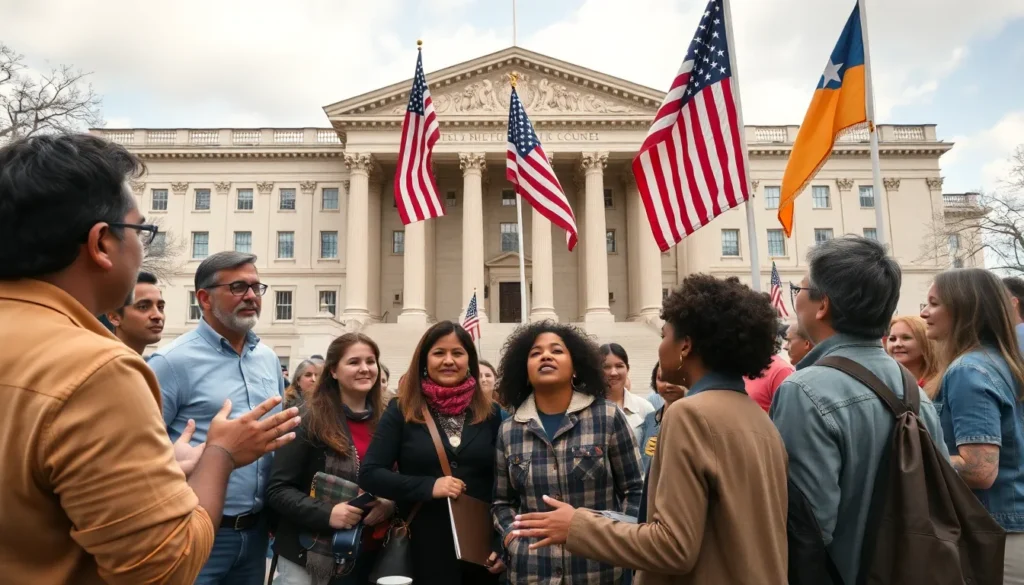
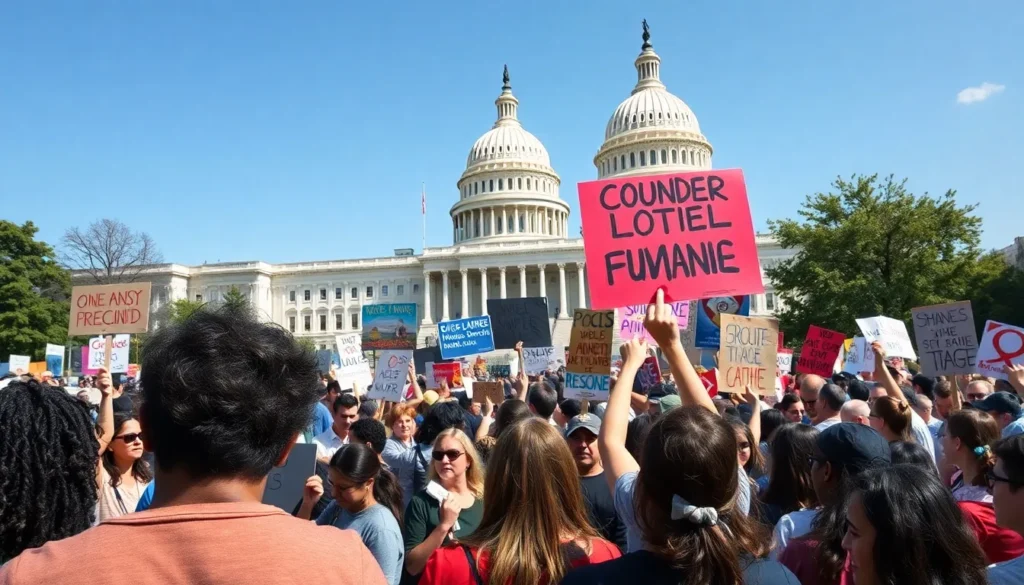
Understanding the historical context of political impact provides insight into how past events shape current political dynamics. Key milestones in history reveal the ongoing relationship between governance, society, and individual citizen engagement.
Major Events Shaping Political Impact
- The American Revolution (1775-1783): The struggle for independence established the principle of self-governance and laid the groundwork for democratic institutions, influencing political thought globally.
- The French Revolution (1789-1799): This significant upheaval introduced ideas of liberty, equality, and fraternity, challenging monarchies and inspiring political movements across Europe and beyond.
- The Civil Rights Movement (1950s-1960s): Grassroots advocacy against racial injustice reshaped public policies in the United States, highlighting the power of collective action to effect change.
- The Fall of the Berlin Wall (1989): The end of the Cold War symbolized a shift towards increased democratic governance in Eastern Europe, demonstrating the impact of political ideologies on nation-building.
- The Arab Spring (2010-2012): A series of protests across the Arab world brought attention to issues of authoritarianism and social justice, leading to various political transformations and unrest.
Key Political Theories
- Democracy: The belief in popular sovereignty emphasizes citizen participation and accountability, underpinning modern political frameworks and encouraging civic engagement.
- Marxism: This theory critiques capitalist structures, advocating for class struggle and social ownership, influencing numerous political movements and revolutionary efforts.
- Liberalism: Emphasizing individual rights and freedoms, liberalism shapes economic and social policies, promoting democratic governance and civil liberties.
- Realism: A theory grounded in national interest and power, realism influences foreign policy decisions by stressing the importance of state security and strategic interests.
- Feminism: This movement advocates for gender equality in political and social spheres, challenging traditional power structures and advancing women’s rights globally.
Current Political Landscape
The current political landscape reflects a complex interplay of governance, public opinion, and activism. Understanding key influencers and the role of media in shaping political impact reveals essential dimensions of contemporary society.
Influential Political Figures
Influential political figures play a critical role in shaping policies and public discourse. Leaders at local, national, and international levels include elected officials, party leaders, and activists. Prominent examples include:
- Legislators: They create and pass laws that directly affect citizens’ lives.
- Presidential Candidates: They establish policy platforms that influence national narratives and voter behavior.
- Activists: They mobilize public opinion and drive social movements aimed at effecting change.
These figures often serve as symbols of larger political movements, reflecting societal values and aspirations. Their actions can galvanize public support or opposition, demonstrating the profound connection between leadership and political impact.
Role of Media in Political Impact
Media outlets serve as vital channels for political information, shaping public perception and engagement. The influence of media includes:
- Information Dissemination: News platforms cover political events, providing citizens with essential insights into governance.
- Opinion Forming: Editorials and analysis articles help shape public opinion and influence voter attitudes.
- Social Media: Platforms like Twitter and Facebook allow for real-time discussions, amplifying voices and enabling grassroots movements.
Media not only informs the public but also holds political figures accountable through investigative journalism and reporting. The evolving landscape of digital media significantly affects how political narratives develop, impacting citizens’ engagement and response to governance.
Measuring Political Impact
Measuring political impact involves both qualitative and quantitative methods to assess the influence of policies and actions on society. Utilizing these methods provides insights into how political decisions resonate within communities and affect citizens’ lives.
Qualitative vs. Quantitative Methods
- Qualitative methods focus on understanding political impact through subjective analysis. These methods include interviews, focus groups, and case studies. They capture the nuances of human experience, such as public sentiment and personal stories. Qualitative data reveals how political decisions affect individuals and communities on an emotional level.
- Quantitative methods employ statistical analysis to measure political impact numerically. This approach includes surveys, polls, and data analytics, allowing researchers to identify trends and correlations. Quantitative data offers a broader understanding of political behavior, revealing patterns in voter turnout, public opinion, and policy effects across different demographics.
- Mixed methods combine qualitative and quantitative approaches for a comprehensive analysis. This strategy allows researchers to validate findings through triangulation. By leveraging both data types, assessments achieve a deeper understanding of political impacts, integrating personal narratives with statistical significance.
- Case studies highlight distinct instances of political impact, providing detailed accounts of specific events or policies. These studies illustrate how local, national, or global events influence societal change. Analyzing case studies can uncover the contexts that shape political decisions and their implications for communities.
- Longitudinal studies assess political impact over time. These studies track changes in public opinion, policy effectiveness, and social responses. Longitudinal data provides insights into how political actions influence societies, revealing shifts in engagement, advocacy, and behavior dynamics.
Each method contributes uniquely to the comprehensive understanding of political impact. Employing a diverse range of techniques ensures a well-rounded perspective, informing citizens and decision-makers about the significance of governance and its ripple effects on society.
Future Directions in Political Impact
Future directions in political impact emphasize evolving governance models, increased public engagement, and technological integration. Each direction highlights the need for adaptability in a rapidly changing political landscape.
- Evolving Governance Models: New governance frameworks emerge as societies seek increased accountability and transparency. Collaborative governance encourages partnerships between government agencies, civil societies, and private sectors. These models aim to enhance policy effectiveness and foster community resilience.
- Increased Public Engagement: Direct democracy mechanisms proliferate as citizen participation rises. Concepts such as participatory budgeting and citizen assemblies enable communities to actively influence local policy decisions. Enhanced civic education initiatives also empower individuals, creating informed electorates capable of shaping governance.
- Technological Integration: Advancements in technology transform political engagement and decision-making processes. Digital platforms facilitate broader access to information, enabling citizens to engage in advocacy and activism effectively. Social media serves as a tool for mobilization, while data analytics enhance understanding of public sentiment, informing policymakers.
- Focus on Environmental Policies: Climate change drives political prioritization of sustainability. Policymaking shifts to include environmental considerations, influencing economic and social policies. International agreements reflect growing recognition of global interconnectedness, prompting collaborative efforts to address climate issues.
- Global Perspective on Local Actions: Local political decisions increasingly connect with global trends. Decisions regarding immigration, trade, and human rights directly impact international relations. Policymakers must consider these global implications, aligning local actions with broader objectives.
- Resilience to Misinformation: The rise of misinformation requires proactive strategies to promote accurate information dissemination. Educational programs that equip citizens to critically evaluate sources aim to combat the impact of false narratives on public opinion. Strengthening media literacy fosters a more informed electorate capable of engaging with political discourse effectively.
These future directions in political impact reflect a responsive and interconnected approach, underscoring the necessity for citizens to remain engaged and informed about the dynamics shaping their societies.